
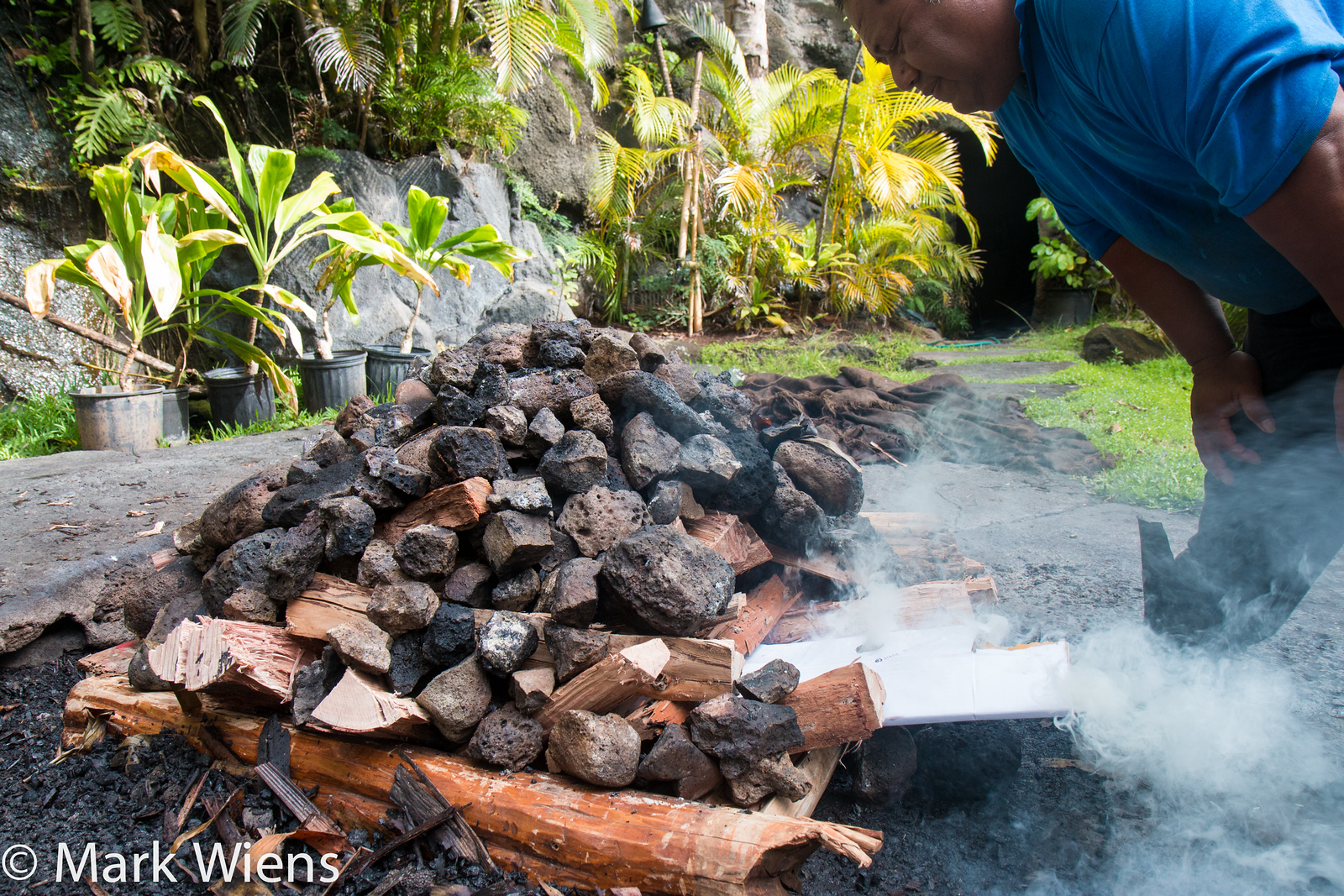
The best meal I have ever eaten came out of a hole in the ground. A whole pig, wrapped in banana leaves, buried under hot volcanic stones and left there for eight hours. Kalua pork so smoky and tender it came apart at a touch. That meal changed me.
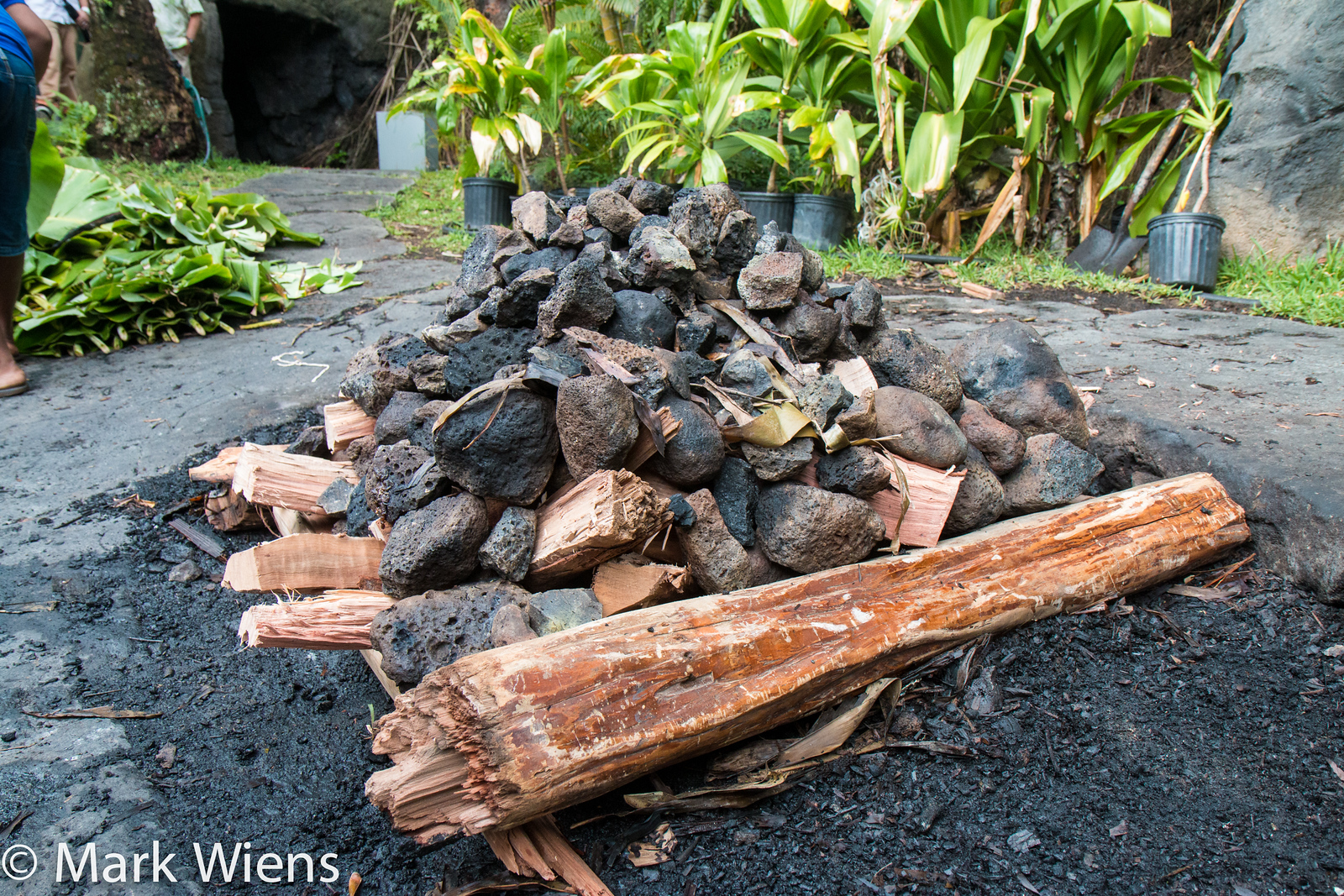
The imu is the traditional Hawaiian underground oven — a pit dug into the earth, lined with rocks that have been heated over a wood fire until they glow. Food goes in, wrapped in banana leaves and ti leaves to hold the moisture. The pit gets covered with burlap, then more banana leaves, then soil. And then you wait. And wait. And wait some more.
The first imu I ever witnessed being opened was at a family gathering on the Big Island. I was a teenager. I remember standing back as the men started to uncover it, the steam rising into the morning air, the smell hitting you before you could see anything — a deep, ancient smell of smoke and earth and meat. When the pig finally emerged, the crowd went quiet for a moment. Then everyone started talking at once.
Fire, Stone, Community
What strikes me most about the imu isn't the food itself — though the food is extraordinary. It's the fact that you cannot do it alone. You need people to dig, people to tend the fire, people to load the stones, people to wrap the food, people to uncover it hours later. The imu is a collective act. It requires a community.
And that community has to stay. You can't start an imu and leave. Someone has to be there, watching the fire, reading the stones, knowing when the heat is right. It's an investment of presence as much as labour. Everyone who helps carries a little ownership of what comes out.
I think that's part of why the food always tastes so good. You've earned it together. You've waited together. You eat together. The meal is the culmination of shared work and shared time, and that changes the taste of things in a way that's hard to explain but impossible to miss.
How It Lives in Our Kitchen
We don't have an imu at Aloha House. We're in a restaurant kitchen in Takamatsu, not a backyard in Kona. But we do make kalua pork — slow-cooked pork with Hawaiian salt and liquid smoke, low and slow for hours until it shreds easily and carries that essential smokiness.
It's not the same as the real thing. I'll never claim it is. But it's an honest attempt to carry the spirit of the imu into a kitchen context. The patience is still there. The care is still there. And when people take a bite and close their eyes for a second — that's the imu, reaching across the ocean.